
WHAT WE TREAT
Photobiomodulation for Dry AMD
Non-Invasive Light Therapy—no needles, no drops.
Now Available! Non-Invasive Light Therapy Treatment
Photobiomodulation (PBM) for Dry AMD
The First and Only FDA-Approved Treatment for Early to Intermediate Dry Age-Related Macular Degeneration
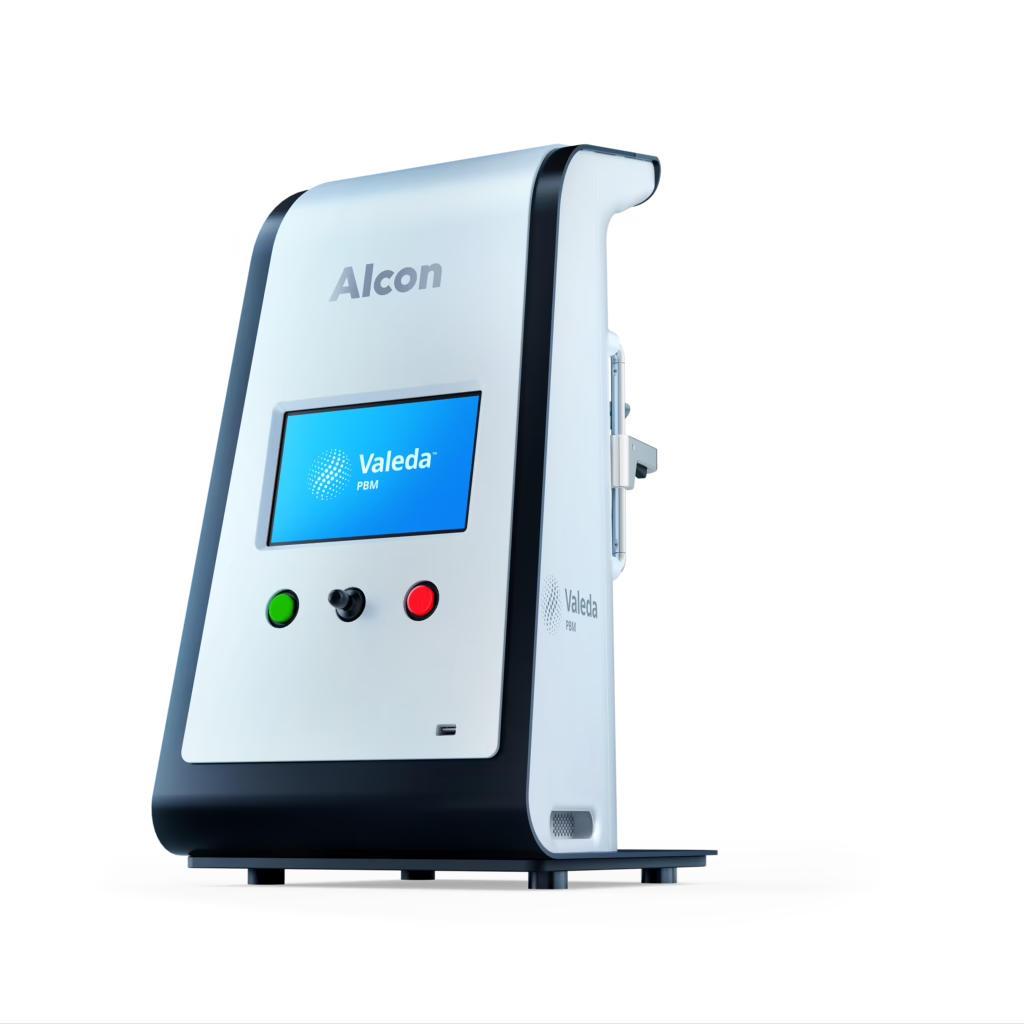
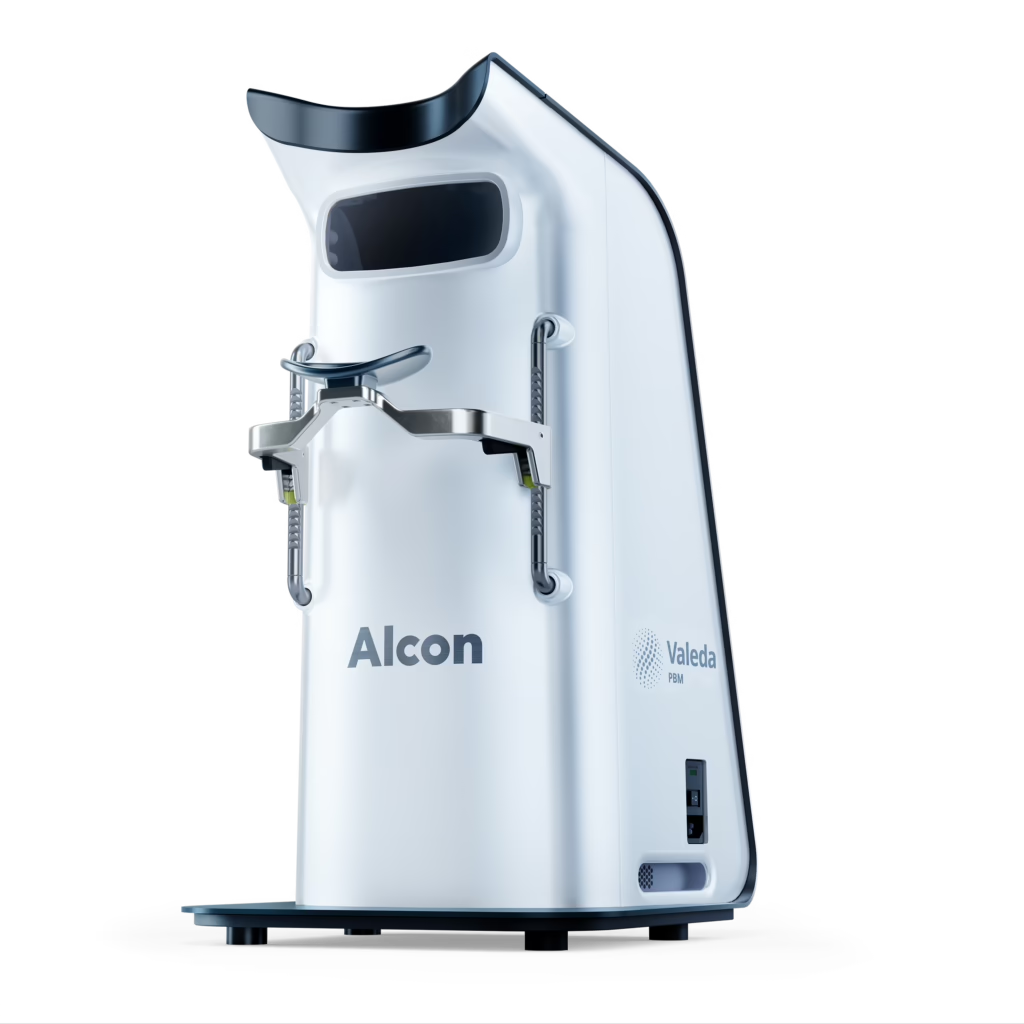
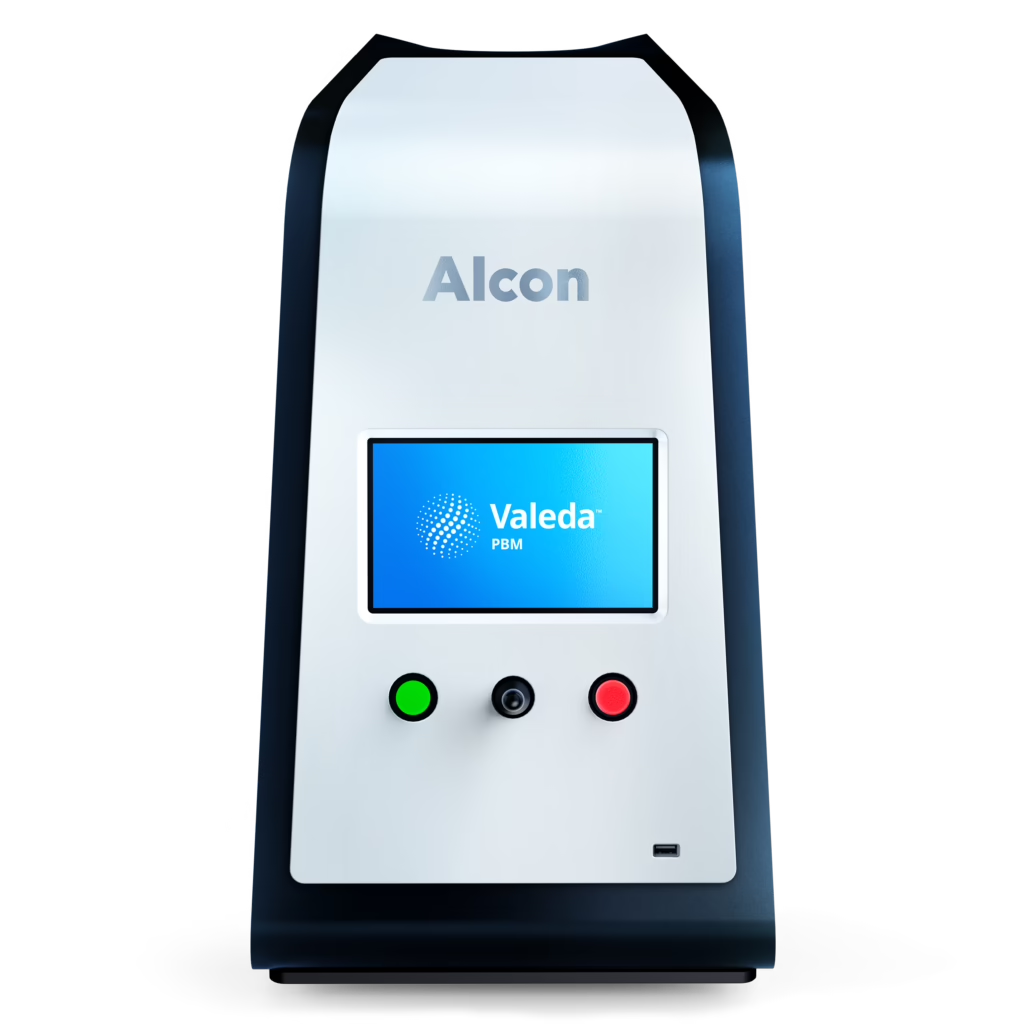
Lakes Region Retina is excited to offer the first and only FDA-approved treatment of dry age-related macular degeneration (AMD). Photobiomodulation (PBM) Therapy is a non-invasive light treatment delivered via the Valeda® Light Delivery System. This innovative therapy aims to improve vision, reduce the risk of further vision loss, and improve overall quality of life.
How Photobiomodulation (PBM) Treatment Works for Dry AMD
The technology we use is called the Valeda® Light Delivery System. It stimulates energy production in eye cells that have begun to lose their function by delivering specific wavelengths of light therapy. This non-invasive light therapy process is thought to work in several ways:
- Enhancing blood circulation to the retina and its supporting layers.
- Stimulating nitric oxide, a chemical vital for blood vessel health.
- Activating mitochondria, the small particles within cells that generate energy.
Valeda® has provided the first device designed specifically for Dry AMD treatment—now available from the specialists here at Lakes Region Retina.
What to Expect with PBM Treatment for Dry AMD
Valeda® Dry AMD treatments are performed in-office and do not require any special preparations. Simply remove your glasses or contact lenses before the procedure. You can expect a quick, painless, and non-invasive treatment that doesn’t involve any eye drops, needles, or medication. Your eyes do not have to be dilated.
A complete treatment round consists of nine sessions, over 3 to 5 weeks. Each session lasts just a few minutes and utilizes three different wavelengths of light. One or both eyes can be treated, depending on the status of the Dry AMD in each eye. Treatment rounds are scheduled 3 times per year for at least 2 years, and your retina specialist will guide you on the timing based on your vision needs.
Patients report that Valeda® treatments do not cause discomfort or side effects, allowing them to resume normal activities immediately after the sessions. It is normal to notice an afterimage, but this effect usually fades within a few minutes.
The Clinical Research Behind Non-Invasive Light Therapy
Three multi-center clinical trials—LIGHTSITE I, II, and III—were conducted at top retinal centers across the country to evaluate the safety and effectiveness of the Valeda® Light Delivery System. These studies included participants who were diagnosed with early to intermediate stages of Dry AMD.
The results indicated that around 55% of patients treated with Valeda achieved an improvement of at least five letters on the eye chart at the 13-month evaluation, with this level of improvement sustained at the 24-month follow-up.
In addition to vision improvements, patients treated with PBM during the trial showed stabilization of drusen associated with Dry AMD.
Furthermore, participants treated with PBM demonstrated a lower risk of progressing to advanced stages of AMD. By delaying or preventing progression to these severe stages, patients can maintain their vision for longer.
For a closer look at the science behind Photobiomodulation, visit the American Academy of Ophthalmology website here.
Indications for Use
The most suitable patients for PBM therapy are those with early to intermediate Dry AMD and visual acuity worse than 20/30.
Safety
The Valeda® Light Delivery System is generally considered a safe treatment, with minimal side effects reported. While some individuals might experience mild discomfort, eye strain, irritation, or temporary changes in vision during or after the procedure, these occurrences are rare and resolve quickly.
Request an Appointment at Lakes Region Retina
If you have Dry AMD and are interested in treatment, please schedule a consultation with us to learn more about Valeda® and determine whether you qualify for this treatment. If you’re already a patient with us, you can discuss this option with your doctor at your next appointment.
More About Dry AMD
Dry AMD is a leading cause of vision loss among older adults. It occurs when cells in the macula, the central part of the retina, begin to deteriorate and lose their functionality. As the condition progresses, individuals may experience symptoms such as visual distortions, blurred central vision, difficulty reading or performing tasks that require close focus, and trouble adjusting to changes in lighting conditions.
Dry AMD is more common than Wet AMD and consists of three stages: early, intermediate, and advanced.
Dry AMD Stage 1 – Early
In the early stage of Dry AMD, individuals may not notice significant vision changes, but subtle alterations in the macula occur. Tiny yellow spots, called drusen, may appear in the retina, indicating the onset of the condition.
Dry AMD Stage 2 – Intermediate
During the intermediate stage, individuals may experience changes in vision, such as blurred central vision, distortion, and difficulty seeing in low light. Drusen may increase in size and number, and retinal pigmentation changes may begin, indicating disease progression.
Dry AMD Stage 3 – Advanced
In the advanced stage of Dry AMD, individuals can experience significant vision loss. Geographic atrophy (GA) which is the loss of vital cells necessary for central may develop, leading to progressive retinal degeneration and further impairing vision.
Request A Non-Invasive Light Therapy Photobiomodulation Consultation
Ready to schedule your visit to see if PBM is right for your Dry AMD? Use the form below to request an appointment and a Lakes Region Retina staff member will reach out with available options. If you need immediate assistance or would like to schedule by phone, please call our office directly at (218) 297-5344.
PLEASE NOTE:
Lakes Region Retina accepts a wide range of insurance plans to make care as accessible as possible. Please contact LRR in advance to confirm whether your insurance type is accepted.